Brahms's First Symphony and the shadow of Beethoven
Brahms waited until he was 43 to present a symphony. When it came, it answered Beethoven so directly that one conductor called it Beethoven's Tenth.
By Sonatique3 min read
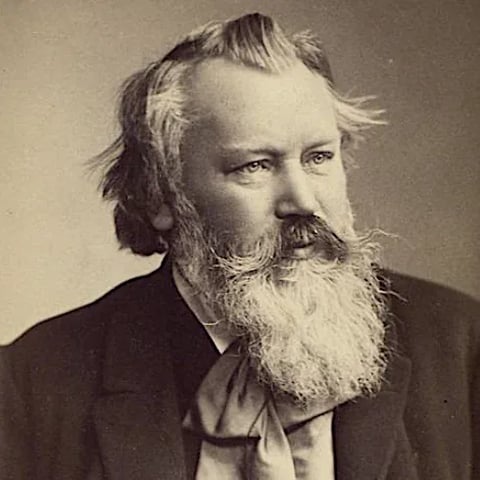
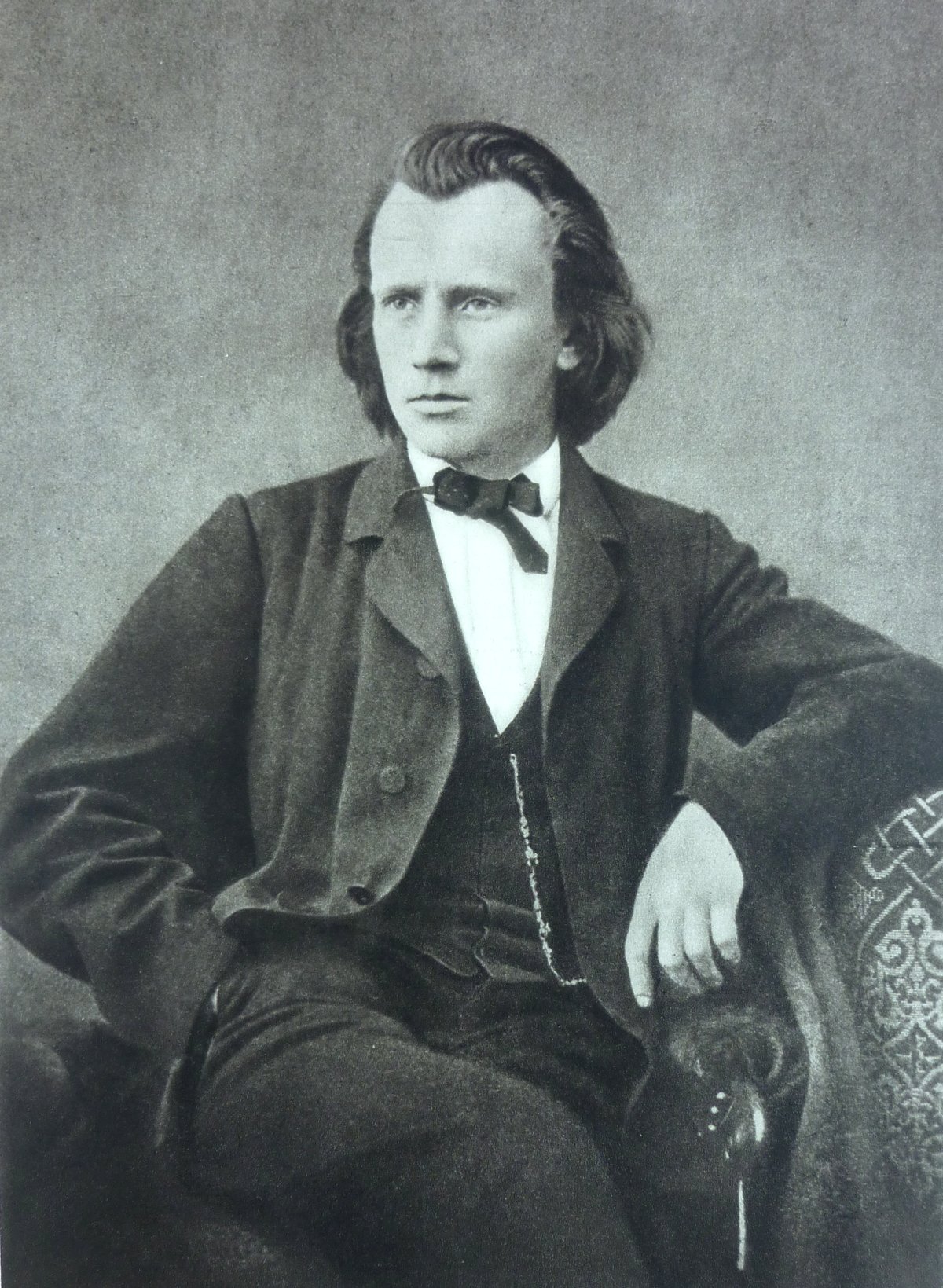
Johannes Brahms was 43 when his First Symphony was first played, in Karlsruhe on 4 November 1876. By then he had written two serenades, a piano concerto, a German Requiem and a large body of chamber music. The symphony was the form he had put off longest, and the reason, by most accounts, was Beethoven.
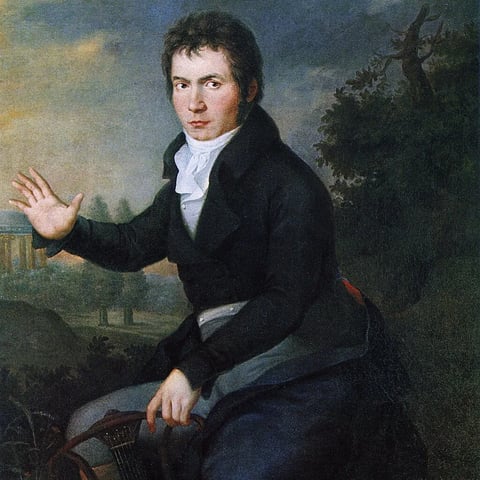
A giant behind him
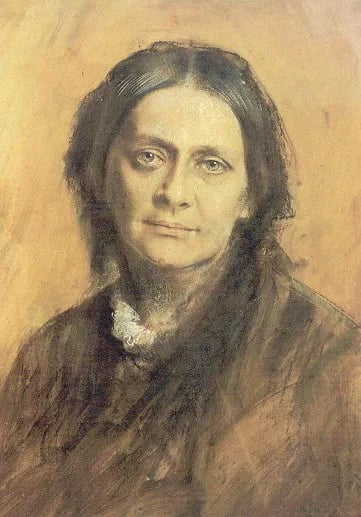
The expectation began early. In 1853 Robert Schumann published his essay Neue Bahnen (New Paths), presenting the twenty-year-old Brahms as the composer the age had been waiting for. For a German composer of the time, that meant one thing: symphonies, in the line that ran through Beethoven's nine.
Brahms felt the weight of it. His biographer Max Kalbeck reported a remark to the conductor Hermann Levi in the early 1870s: "You have no idea what it feels like to have such a giant marching behind you all the time." No letter confirms the words, and scholars have questioned them. But the sentiment fits what Brahms did, which was to wait. Around 1859 he told a colleague that anyone who dared to write symphonies after Beethoven had to make them look completely different.
Twenty years in C minor
His first attempt, a symphony in D minor begun in 1854, did not survive as a symphony. Much of it was recast as his First Piano Concerto, in the same key.
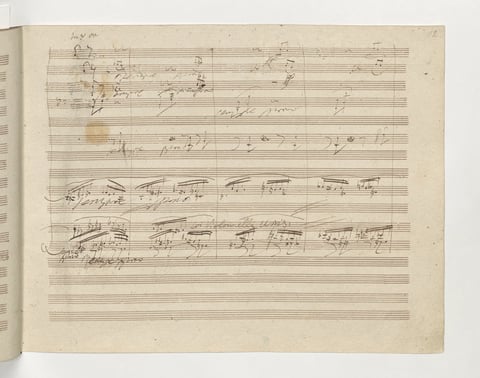
The C minor symphony took shape slowly. In 1862 Brahms sent Clara Schumann a first movement that opened directly with the Allegro; the slow introduction, with its pounding timpani, came later. In September 1868 he sent her a birthday greeting from the Alps, a horn melody with the words "High on the mountain, deep in the valley, I greet you a thousand times." Eight years later that melody became the turning point of the finale.
Brahms himself put the work's span at 21 years, from 1855 to 1876. Otto Dessoff, a friend, conducted the premiere with the Baden court orchestra.
Beethoven in the score
The debt is plain from the outset. The symphony is in C minor, the key of Beethoven's Fifth, and like the Fifth it ends in a blazing C major, a course from struggle to light that listeners of 1876 knew from Beethoven. In the first movement Brahms also gives prominence to a short-short-short-long rhythm that recalls the Fifth's opening motif.
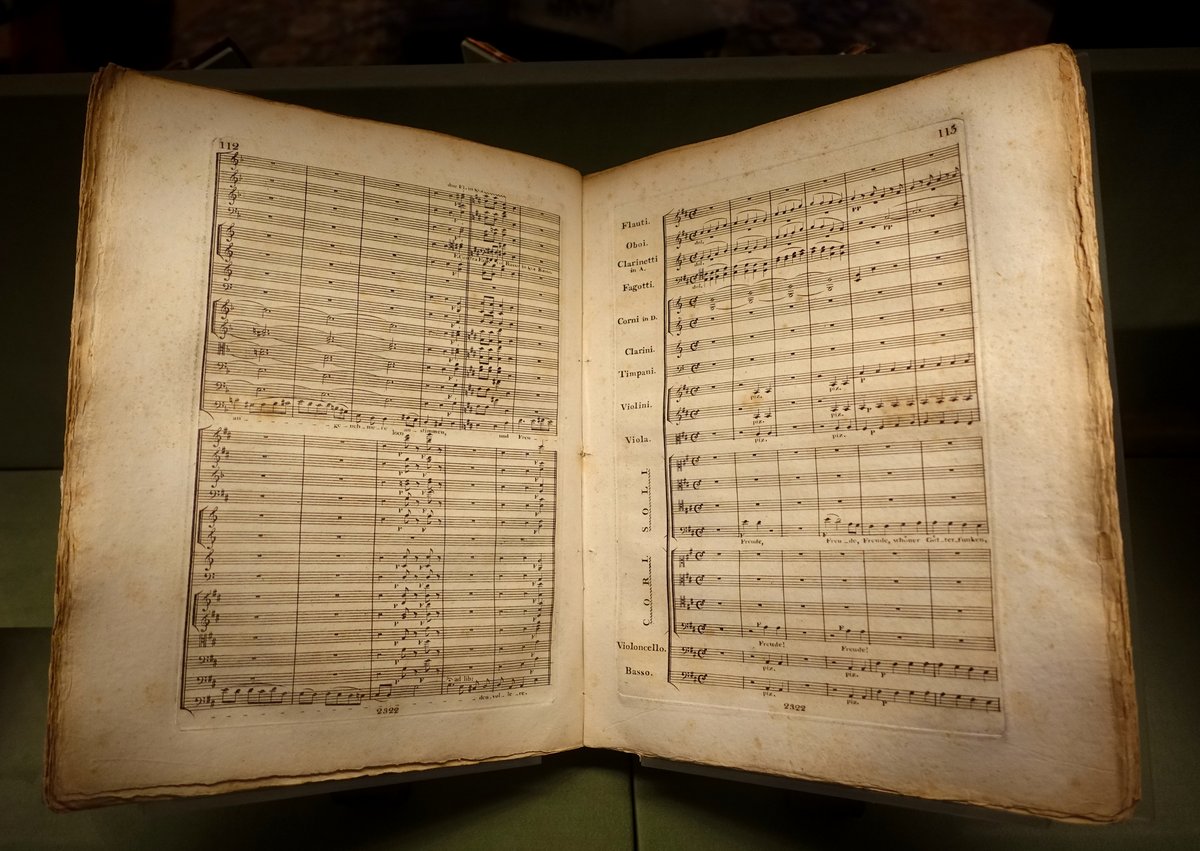
The finale goes further. After a slow, uneasy introduction, the alphorn melody breaks through on the horns, and the trombones, silent until now, enter with a quiet chorale. Then the strings begin a broad, striding tune in C major. Its resemblance to the Ode to Joy theme of Beethoven's Ninth was noticed at once. Brahms was irritated by the comparison; told of it, he is said to have replied that any jackass could hear it.
The reply was more than a shrug. The likeness was deliberate, and it was also the point of difference. Beethoven needed voices and Schiller's words to reach his hymn. Brahms reaches his with the orchestra alone.
The Tenth
The conductor Hans von Bülow called the work Beethoven's Tenth. It was meant as the highest praise, and it fixed the symphony's reputation as the successor Schumann had promised. It also tied Brahms to Beethoven more tightly than he may have wished.
Heard today, the First sounds less like a tenth Beethoven symphony than like a long argument with one. Brahms took Beethoven's key, his dramatic plan and the outline of his greatest tune, and built from them a work of his own: denser, darker in its inner voices, and slower to reach its light. Having answered the giant once, he wrote three more symphonies in less than a decade.