Karajan's last Mozart Requiem
Herbert von Karajan recorded Mozart's Requiem three times. His last version, made with the Vienna Philharmonic in 1986, is the fullest account of a grand tradition.
- Requiem
By Sonatique3 min read
Herbert von Karajan recorded Mozart's Requiem three times for Deutsche Grammophon. The last, made in 1986 with the Vienna Philharmonic and the Wiener Singverein and released the following year, came two years before his death. It is not the leanest Requiem on record, nor the most historically informed. It is the fullest statement of one idea of the work: a requiem as a large public rite, carried by a great orchestra and a large choir.
What Mozart left
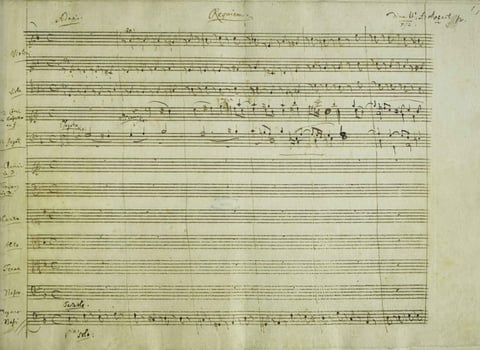
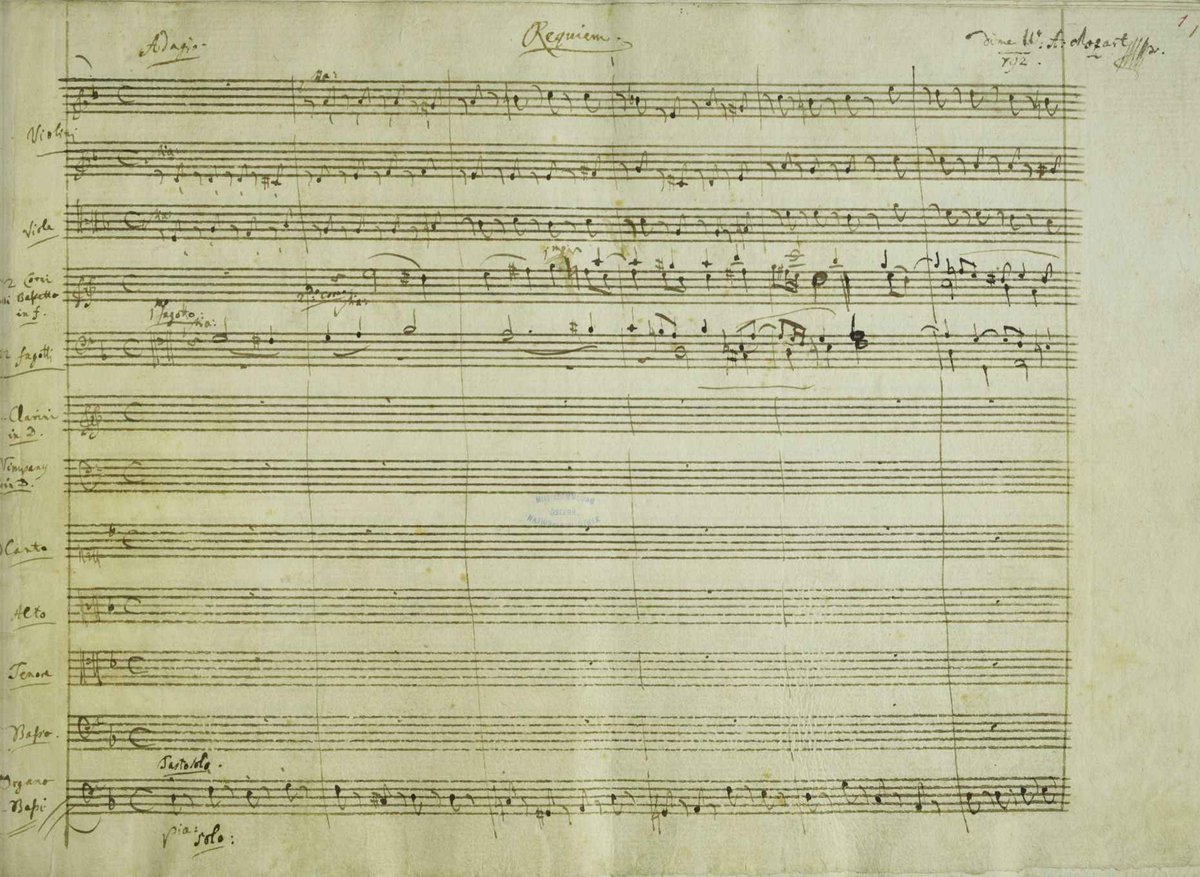
Mozart died in Vienna on 5 December 1791 with the Requiem unfinished. It had been commissioned, anonymously, by Count Franz von Walsegg for a memorial service for his wife. Only the opening Introit was complete and orchestrated. For the Kyrie and most of the Sequence and Offertory, Mozart left the voices and bass with some instrumental lines. The Lacrimosa breaks off after eight bars.
His pupil Franz Xaver Süssmayr finished the score in early 1792. He completed the Lacrimosa and wrote the Sanctus, Benedictus and Agnus Dei himself. How much he had from Mozart to work with is still debated. Süssmayr's completion is the version most listeners know, and it is the one Karajan recorded.
The sound of the work is set in its first bars, where bassoons and basset horns carry the opening theme. There are no flutes, oboes or horns anywhere in the score. It is a sound that rewards a conductor who thinks first of the orchestra.
Karajan and the work
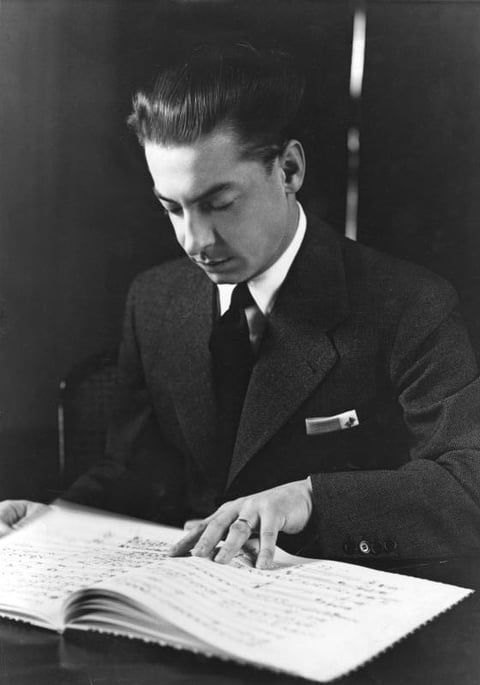
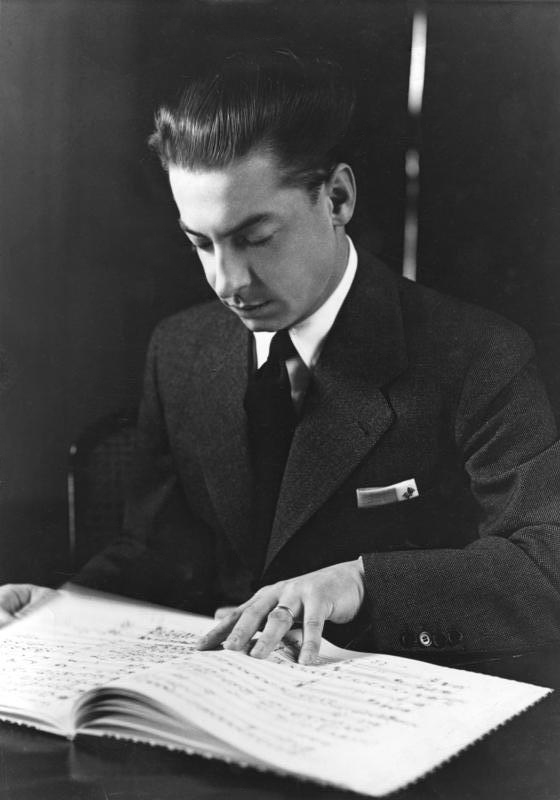
Karajan was born in Salzburg in 1908 and studied at the Mozarteum there. In 1954 he became conductor for life of the Berlin Philharmonic; from 1957 to 1964 he ran the Vienna State Opera; in 1967 he founded the Salzburg Easter Festival. Few conductors recorded more, and much of it was for Deutsche Grammophon.
His three Requiems span a quarter of a century. The first, from 1961, was with the Berlin Philharmonic, with Wilma Lipp, Hilde Rössel-Majdan, Anton Dermota and Walter Berry. The second followed in 1975, again in Berlin, with Anna Tomowa-Sintow, Agnes Baltsa, Werner Krenn and José van Dam. The Wiener Singverein sang in all three.
For the third he went to the Vienna Philharmonic. Tomowa-Sintow returned, now joined by Helga Müller-Molinari, Vinson Cole and Paata Burchuladze, with the Singverein prepared by Helmuth Froschauer. On 26 May 1986 Karajan conducted the work with the same soloists at the Musikverein, in a concert that was filmed.
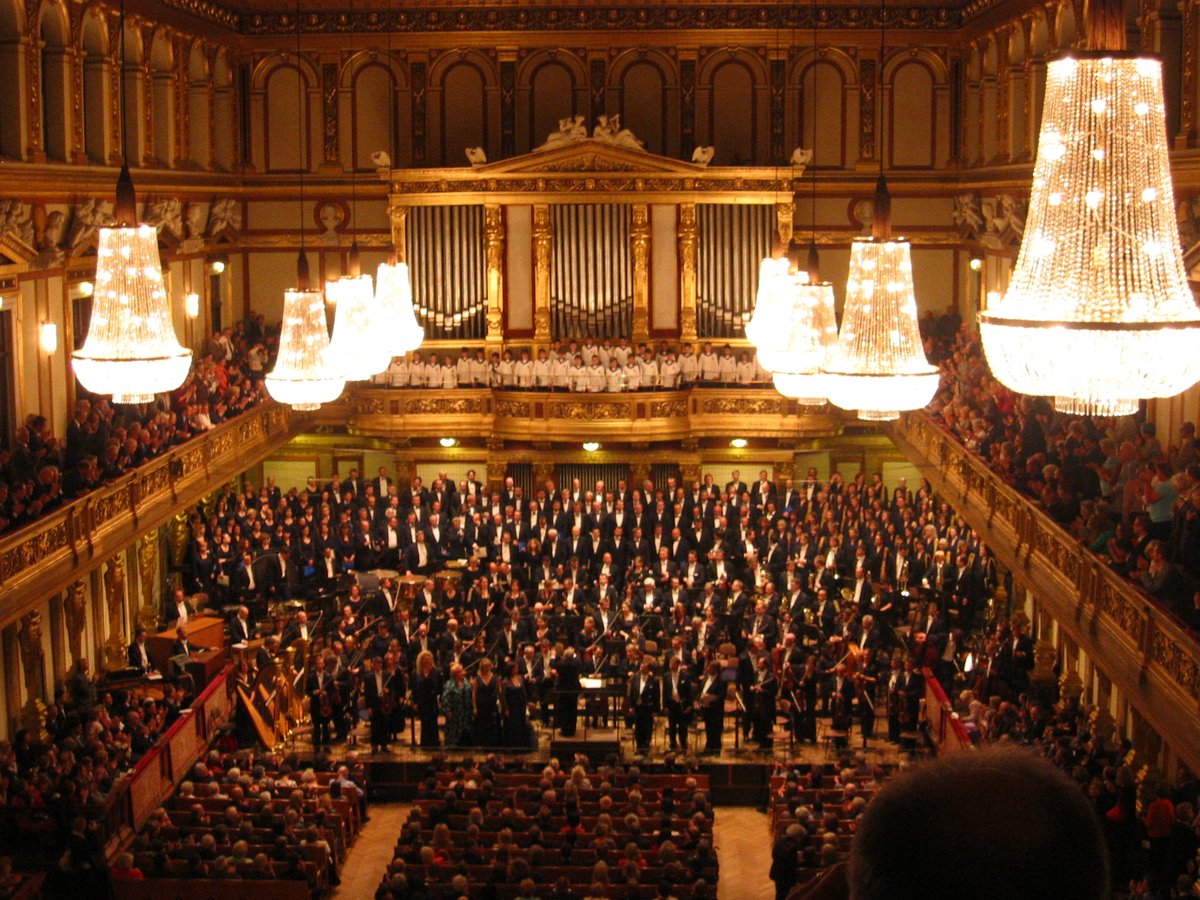
The case for the Vienna recording
The 1986 recording runs about 52 minutes. Karajan takes 5 minutes 24 seconds over the Introit and nearly five and a half over the Benedictus. These are broad tempos, and they are the point. Karajan treats the Requiem as music for a large space and a large congregation, and gives every chord its full length.
Three things set this version apart from the other two. The orchestra is the Vienna Philharmonic, in the city where Mozart wrote the work. The recording is digital, where the 1975 Berlin version's analogue sound has been called unimpressive by ClassicsToday. And it gathers forces Karajan had worked with for years: a soprano from his previous recording, and a choir he had conducted in the work since 1961. The same review calls it Karajan's "highly-regarded large-scale" digital recording.
Not everyone agrees. By today's standards the tempos are slow, and listeners who know the work from period-instrument recordings, with smaller choirs and lighter textures, may find it too heavy. That objection is fair, and it is also a description of what the recording sets out to do. Many of the recordings made since have been leaner and quicker. Karajan's last recording is a complete account of the older, grander tradition, made by a conductor who had lived with the work for a quarter of a century.