The 1955 Turandot that still sets the standard
Decca's mono recording under Alberto Erede, with Inge Borkh, Mario Del Monaco and Renata Tebaldi, remains the most complete account of Puccini's last opera on disc.
- Turandot
By Sonatique4 min read
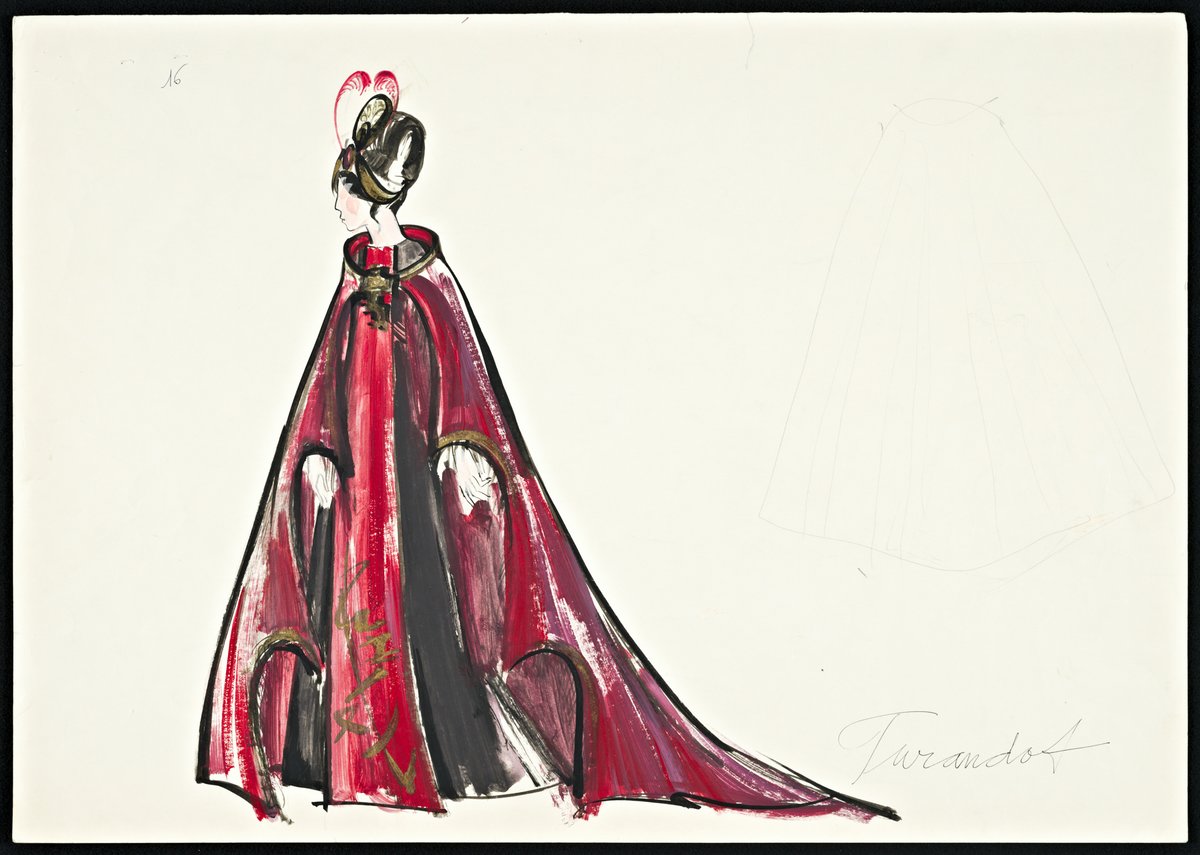
In 1955 Decca recorded Puccini's Turandot in Rome, with the orchestra and chorus of the Accademia Nazionale di Santa Cecilia under Alberto Erede. Inge Borkh sang Turandot, Mario Del Monaco Calaf and Renata Tebaldi Liù, with Nicola Zaccaria as Timur and Fernando Corena among the three ministers. Seventy years and many recordings later, it remains the most complete account of the opera on disc.
It is in mono, and later sets have fuller sound and more famous names. What sets it apart is balance: three principal voices of very different kinds, each suited to its role, and an Italian chorus and orchestra at home in the idiom.
An unfinished opera
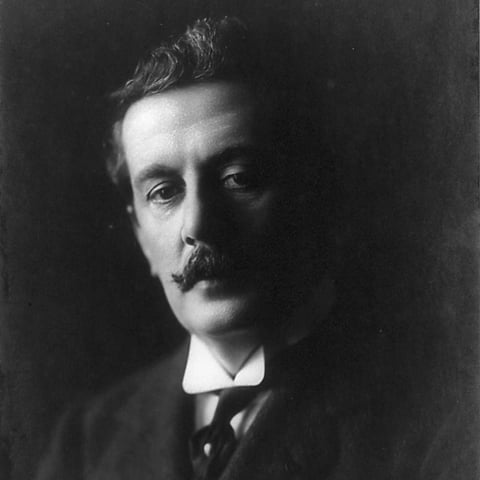
Puccini began Turandot in 1921 and died in November 1924 with it incomplete. He had written the music as far as the death of Liù, the slave girl who kills herself rather than betray Calaf's name. Franco Alfano completed the final scene from Puccini's sketches.
Arturo Toscanini conducted the premiere at La Scala on 25 April 1926. At the point where Puccini's music ends, he stopped the performance and turned to the audience. His words are reported in several versions, most often as "Here the opera ends, because at this point the maestro died." Alfano's ending was heard from the second performance on, shortened by Toscanini.
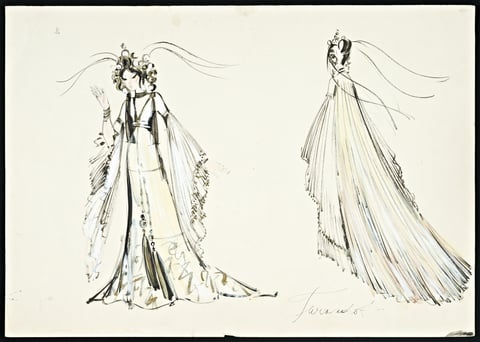
The opera that reached the stage is a strange one: a cruel fairy tale with a spectacular chorus, three comic ministers, an icy princess, a heroic tenor, and at its centre the death of a girl who has no power at all. A recording has to hold all of that together.
Three voices
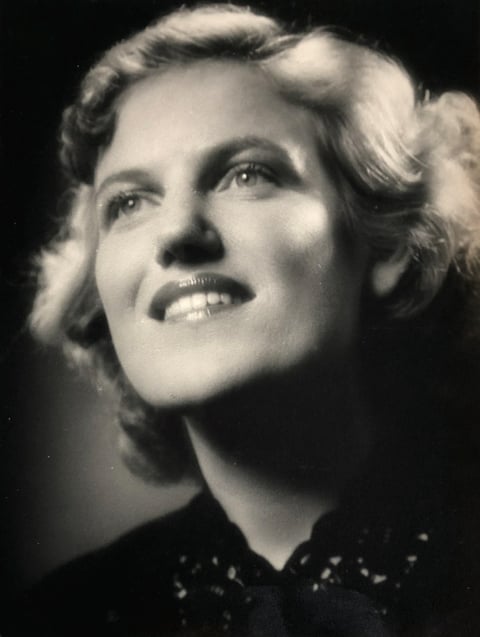
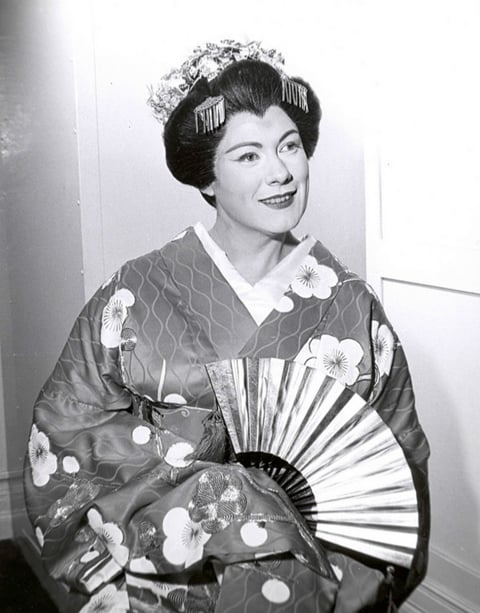
Inge Borkh trained first as an actress, and made her name in the theatre of the 1950s, notably as Magda Sorel in Menotti's The Consul. Her Turandot is a dramatic soprano with a cutting edge, a princess whose cruelty is a matter of character rather than mere volume. One critic summed her up in a word: hochdramatisch.
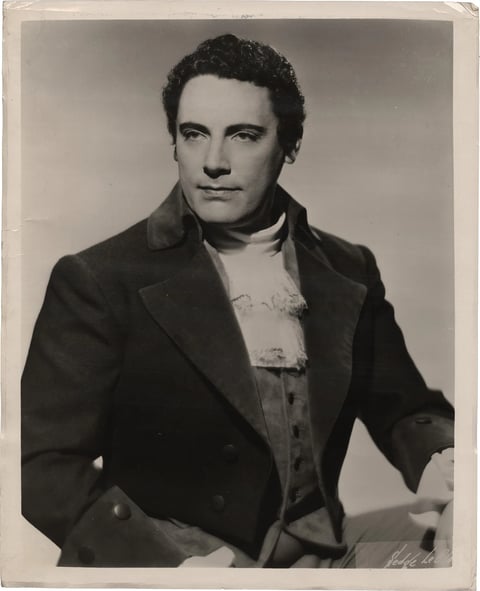
Mario Del Monaco was the leading tenore robusto of his generation, a regular at the Metropolitan Opera from 1951 to 1959. His Calaf is all bronze and defiance. Critics have long found it rigid and relentlessly loud, and it is true that he rarely sings quietly. But Calaf is a prince who stakes his life on three riddles and will not be talked out of it, and Del Monaco sounds like such a man.
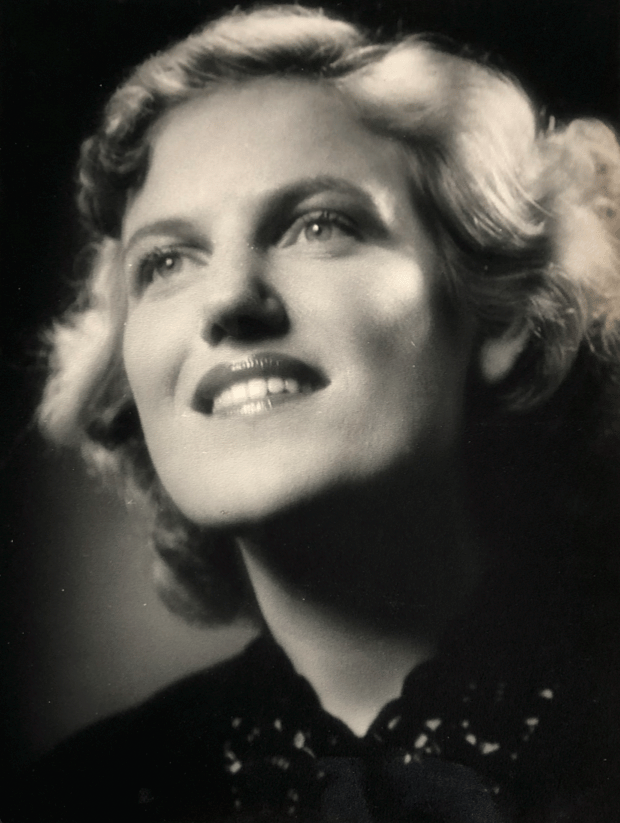
Renata Tebaldi is the set's glory. She had sung in the concert that reopened La Scala under Toscanini in 1946, and 1955 was also the year of her Metropolitan Opera debut. Liù's music was the last Puccini completed, and Tebaldi sings it with a warmth and evenness that make the slave girl the opera's moral centre. She recorded the role again for RCA in 1959, under Erich Leinsdorf; Paul Shoemaker of MusicWeb International judged her "just a hair's thickness more secure for Erede than with Leinsdorf."
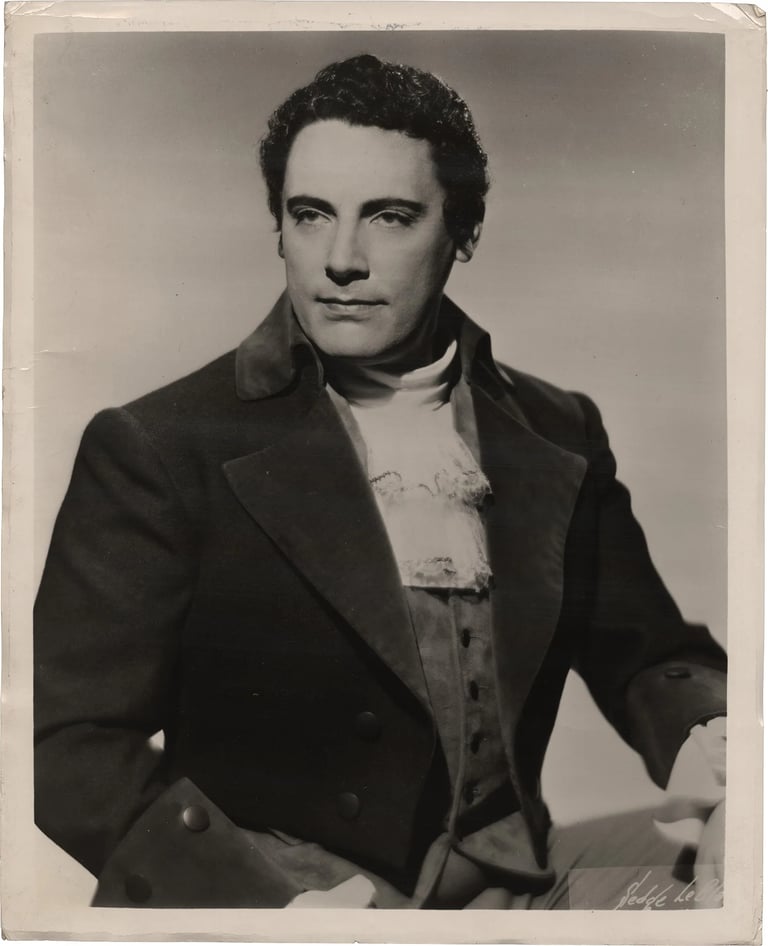
Rome, 1955
Alberto Erede was a man of the opera house. Born in Genoa in 1909, he studied with Felix Weingartner and Fritz Busch and worked at the first Glyndebourne Festival in 1934. He was a conductor of the theatre rather than the podium star, and a natural partner for singers, which is what an opera built on three such voices needs.
The complete recording is in mono. Listeners used to later digital sets will notice the narrower sound. The voices, which are the point of this recording, come through clearly.
Against the rivals
Two years later EMI recorded the opera at La Scala with Maria Callas under Tullio Serafin, and in 1959 RCA recorded it in stereo in Rome under Erich Leinsdorf. Both have strong claims, each built around a great singer.
The 1955 Decca set is built around the opera itself. It was made by an Italian company less than thirty years after the premiere, and it sets three very different voices against each other: steel for the princess, bronze for the prince, warmth for the slave girl. No later recording has matched that balance. For anyone coming to Turandot for the first time, or returning to it, this is the recording to start with.