How Hänsel und Gretel became a Christmas opera
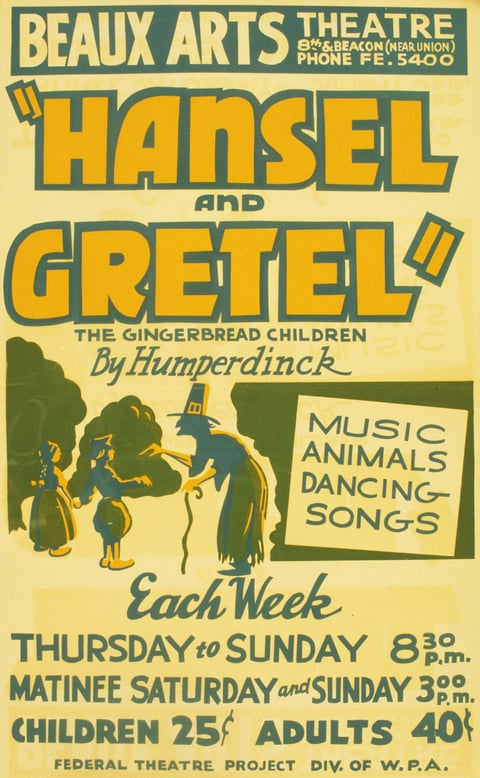
Nothing in Humperdinck's fairy-tale opera happens at Christmas. This winter it is on the schedule at eleven German theatres, nearly all of them in December.
By Sonatique3 min read
Nothing in Hänsel und Gretel happens at Christmas. Two children are sent into the forest to pick strawberries, lose their way, sleep under the watch of fourteen angels and find a witch's house made of gingerbread. There is no snow, no carol, no feast day. Yet Sonatique lists 58 performances of Humperdinck's opera between late November and mid-January, every one of them in Germany, at eleven theatres from Stralsund to Stuttgart.
Part of the explanation is a date. The rest lies in how the opera began: as music for a family.
Songs for a family play
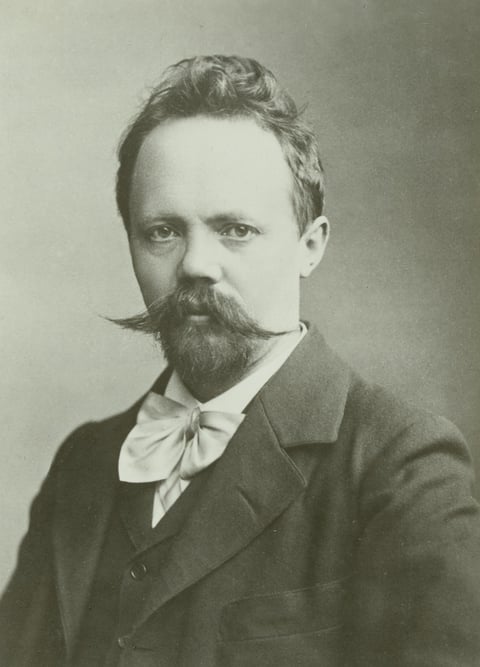
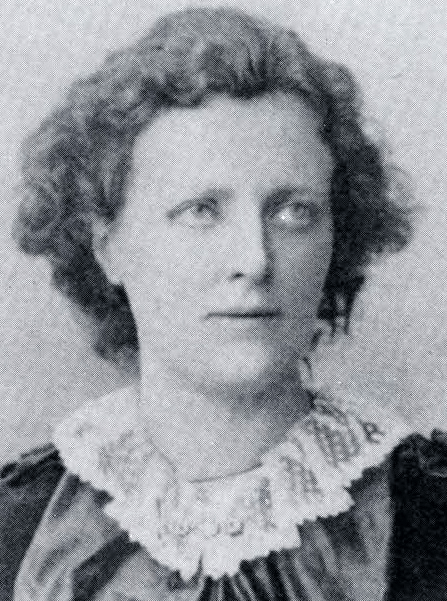
In 1890 Adelheid Wette, Humperdinck's sister, asked him for a few songs for a play she had written for her children on the Grimm tale. He supplied them, then kept going. The songs grew into a Singspiel, with spoken dialogue between the numbers, and over the next three years into a through-composed opera in three acts, with Wette's text as the libretto.
Humperdinck had assisted Wagner at Bayreuth in the preparation of Parsifal, and the score shows it. It is built on leitmotifs and written for a Wagnerian orchestra, but the tunes it carries are folk songs, or sound like them. The prelude opens with the children's evening prayer, given to four horns and two bassoons.
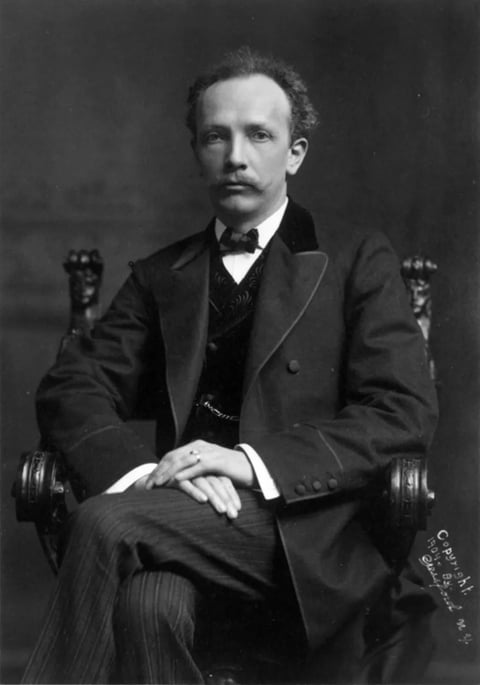
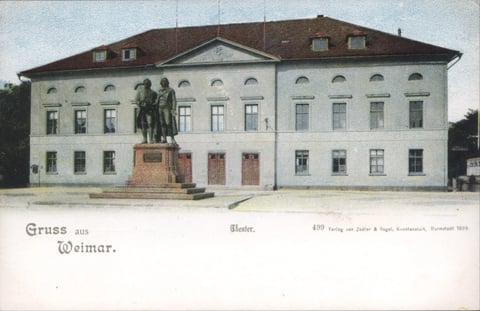
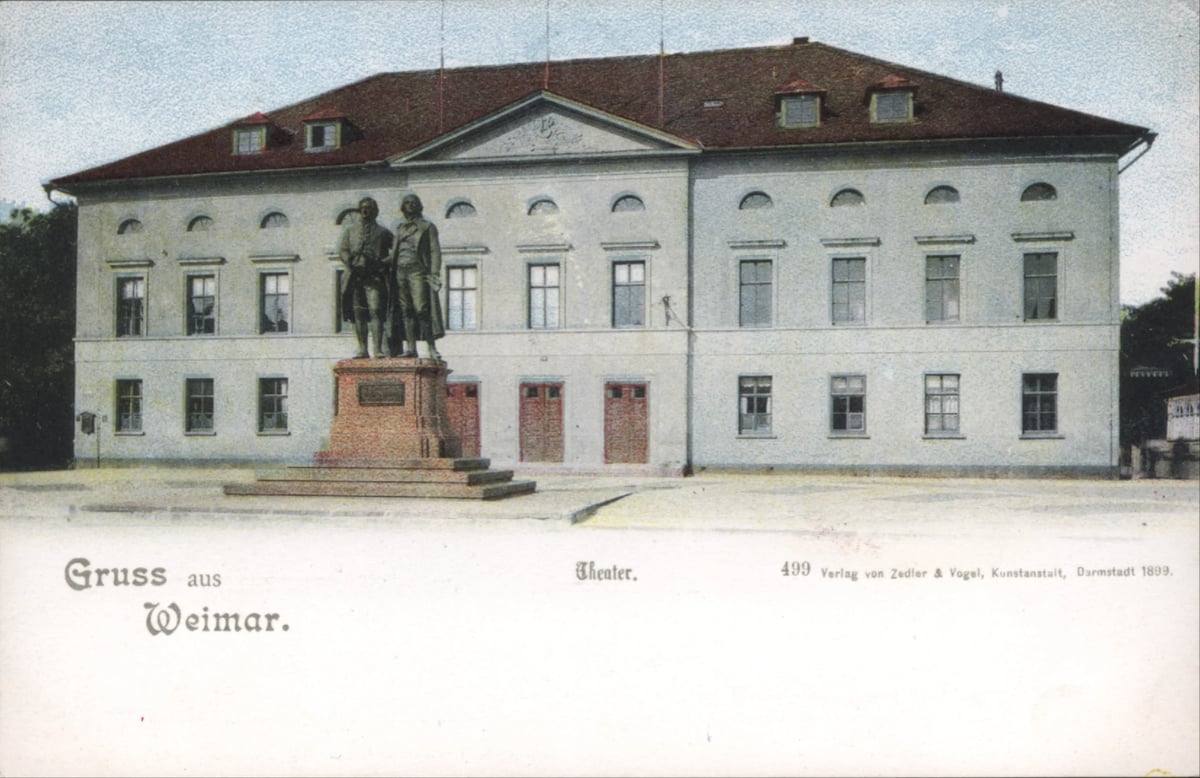
The first performance took place at the Court Theatre in Weimar on 23 December 1893, two days before Christmas. Richard Strauss, then 29, conducted.
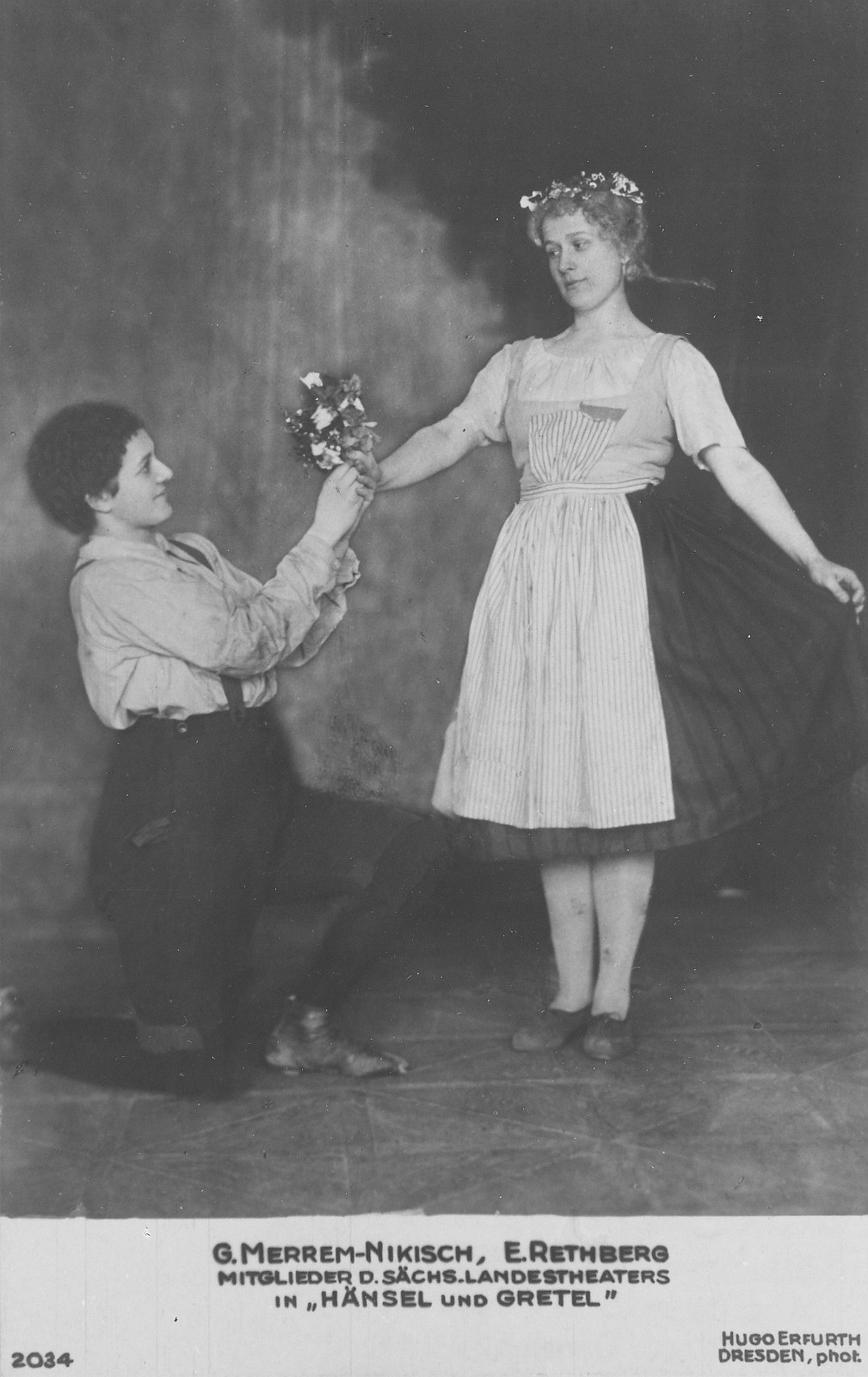
A run of first nights
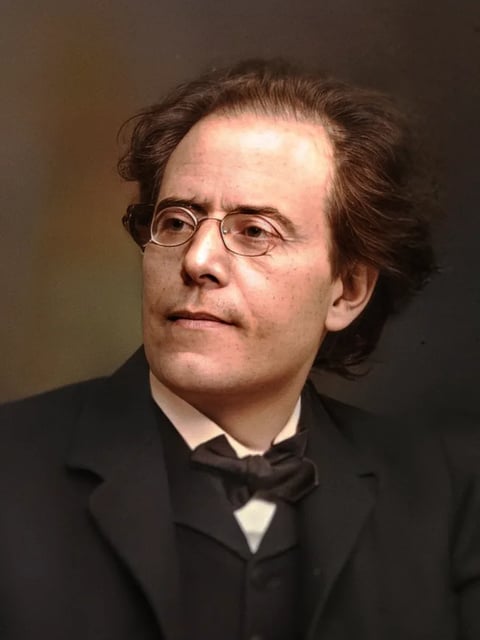
The opera travelled quickly. Britannica counts dozens of German theatres that staged it in its first year. Gustav Mahler conducted it in Hamburg in September 1894, and by November it had reached Basel, its first production outside Germany.
Theatres found that it suited the season in which they court families. It is a work about children, with a children's chorus in the final scene, a Sandman, a Dew Fairy and a witch who ends up in her own oven. Its fears are real ones, hunger and the dark forest, and they are resolved by a prayer at bedtime. That is closer to the spirit of a German Christmas than many works written for the feast.
Radio carried the association abroad. On Christmas Day 1931 the Metropolitan Opera in New York made its first network broadcast, on NBC, and chose Hänsel und Gretel, sung in German. It was the first of the Met's regular radio broadcasts, a series that continues today.
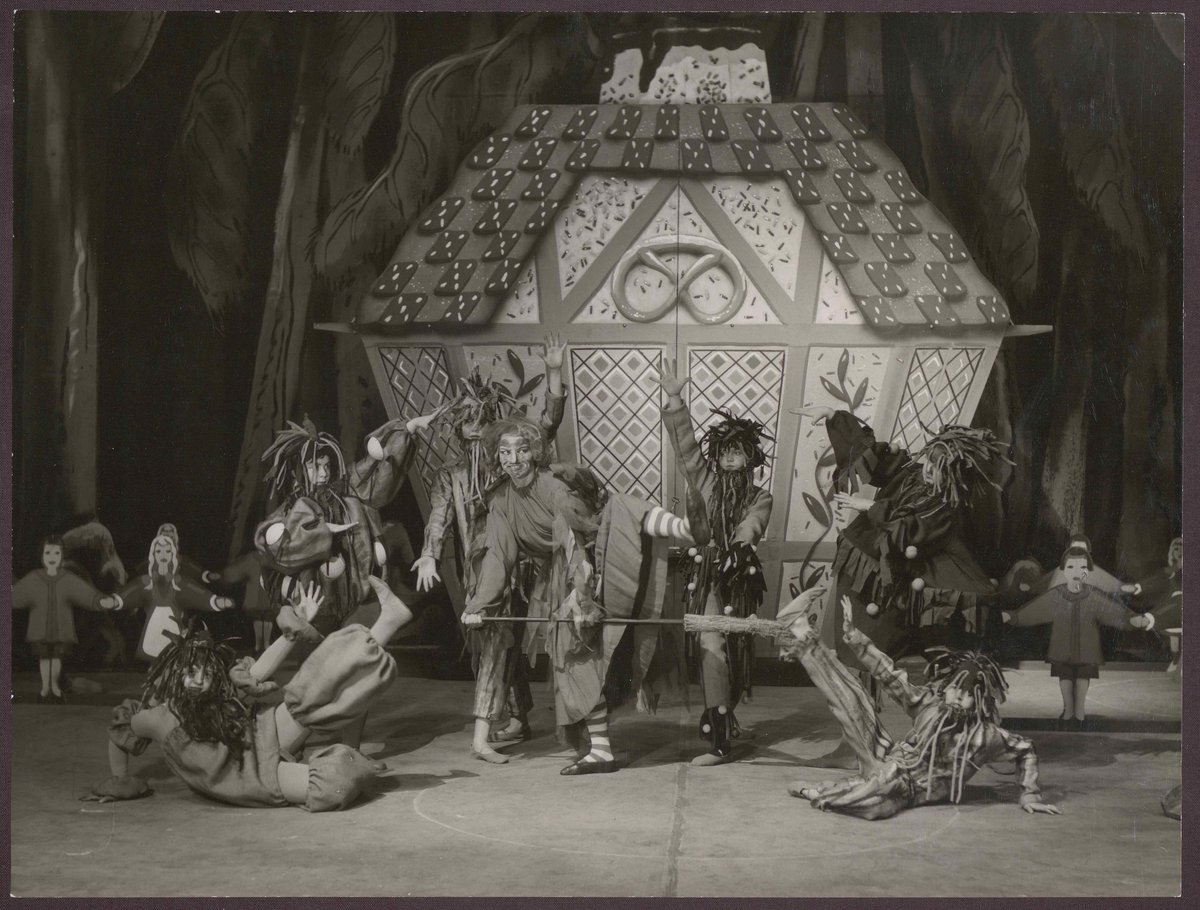
This December
The pattern holds. Of the 79 performances Sonatique lists for the 2026–27 season so far, 69 fall in November or December. Stralsund Theatre alone gives 21 before the year is out. Oper Frankfurt has it from 5 December, with Karolina Makuła and Karolina Bengtsson as Hänsel and Gretel. At the Komische Oper Berlin the staging is by Dagmar Manzel, conducted by Yi-Chen Lin. The Staatsoper Stuttgart, the Opernhaus Nürnberg and the Opernhaus Düsseldorf all give it in the last weeks of the year.
None of this makes it a Christmas piece in the way that Messiah or the Christmas Oratorio is. It was written for a family and first heard two days before Christmas, and German theatres have kept the date. Its music, plain in its tunes and rich in its orchestra, gives them good reason to.